Session directory

Regenerative Practices That Will Make You Think Differently

Explore sessions by theme.

4 sessions

Soil health and fertility

Saturday · 12:45 PM

Preparing the Soil for Planting

Bryan O'Hara

Auditorium

We will cover the various methods of preparing the soil for the seeding or transplanting of a crop. Till and no-till approaches, plows, harrows, shovels, raking, rolling, tarping, composting, mulching. Which one, and when? We will look at the many options and seek to give an understanding of which is most appropriate for a given condition. Time permitting, we will also take a look at pre-plant fertilization. This presentation will be packed full of useful ideas and an enjoyable subject.

Saturday · 2:15 PM

Growing Flowers Regeneratively

Allyson Angelini

Room 4

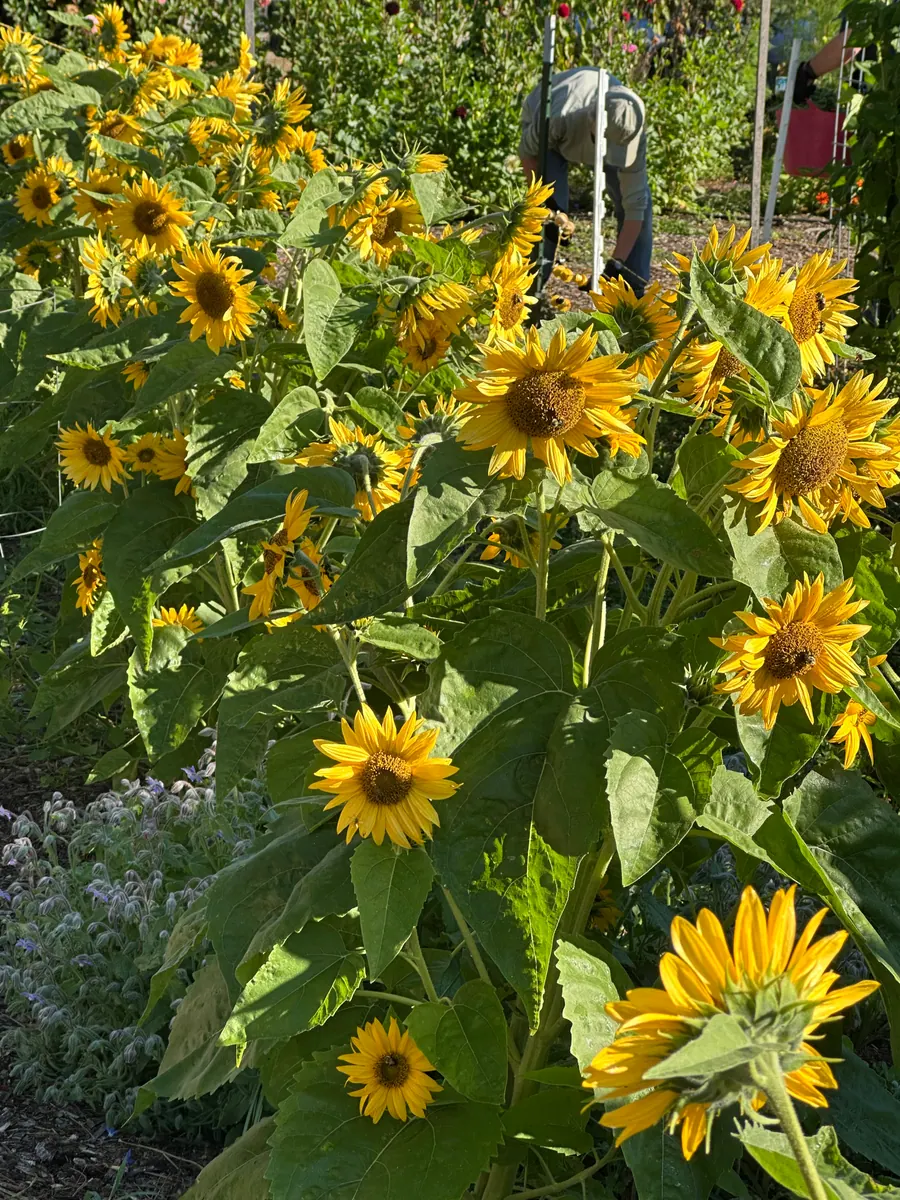
Allyson shares the practices behind growing more than 250 varieties of flowers for CSA shares, farmers' markets, and events while maintaining diversity on a small family farm.
1 session

Compost and amendments

Saturday · 9:45 AM

Compost Panel Discussion and Q&A

Craig Floyd, Nigel Palmer, Bryan O'Hara, Yoko Takemura, Koralee Lawrence

Auditorium

Building organic matter in our soils is a critical aspect of soil health. In addition to living plants injecting a diverse collection of exudates into the soil through their roots, compost can play a key role in building organic matter, help feed plants and soil biology and provide shelter for our insect friends during the winter. This panel discussion will provide a diverse perspective on how different growers manage their compost generation.

1 session

Cover crops and no-till

2 sessions

Water and foliar applications

Saturday · 2:15 PM

The Hazy Nature of Water, Rain, Fog… Demystified?

Nigel Palmer

Auditorium

This break-out session will be an advanced discussion drawing from the work of Gerald Pollack and Olivier Husson. Plants are electric and use minerals that are charged (ions). How do these charges move through plants? How are mist, fog and rain formed and how does humidity effect plant mineral availability? How do nutrients reach the top of a redwood tree and how does the earth get its negative charge? When is the best time to foliar spray and why? Seatbelts optional.

Sunday · 10:45 AM

Making Vinegar Extractions and Fermented Plant Juices - Their Application at Critical Points of Influence

Nigel Palmer

Auditorium

Fermented plant juices and vinegar extractions produce amendment products with unique mineral profiles in plant available forms. Plants require different mineral concentrations during phases of development (germination, flowering, fruiting). We will demonstrate how to make fermented plant juices and vinegar extractions, review their mineral analysis results and discuss their use to facilitate phases of plant development.

2 sessions

Fungi and microorganisms

2 sessions

Pest management

Sunday · 8:30 AM

Commercial Cranberry Transformation to Regenerative Growing

Cass Gilmore

Auditorium

With the negative effects of conventional growing becoming clearer, the move to regenerative practices is becoming more attractive. Making the change is daunting for most farmers. In this session Cass will discuss his journey: the successes, cost savings, and empowerment of working with nature rather than trying to outsmart her on his 80-acre cranberry farm.

1 session

Seed saving

Sunday · 1:15 PM

The Underappreciated Importance of Seed Quality and Seed Saving

Kris McCue

Auditorium

Kris will share her experience growing crops for seed alongside food crops. Learn how to avoid cross-pollination—or encourage it if you like an adventure—how to grow enough plants to preserve the genetics of your seeds, and the tools and tricks of the trade that can help you become a better seed saver.

1 session

Harvest preservation

Saturday · 3:30 PM

Preserving the Harvest: A Nutritionist's Perspective

Joan Palmer

Auditorium

Freezing, canning, salting, brining, fermenting, drying, and cold storage: What are the best ways to preserve the harvest while retaining as many of those healthy nutrients and flavors as possible? We will have hands-on demonstrations for some of the processes we discuss.

2 sessions

Nutrition and food quality

Saturday · 4:45 PM

The Journey of Improving Soil Health and Food Quality: A Farmer's Perspective with Q&A

Craig Floyd, Bryan O'Hara, Yoko Takemura, Allyson Angelini, Mark McBrine, Cass Gilmore

Auditorium

Over 90% of the farms in the United States use conventional methods. The line between regenerative versus conventional growing practices is grey, and the specific practices that farmers must use to promote soil health depends greatly on their environmental circumstances. This panel of farmers has made the transition to regenerative growing practices. How they got there and what key hurdles they encountered along the way will be discussed.

Sunday · 2:30 PM

Panel Discussion: Real Food? How Did Eating Get So Confusing?

Joan Palmer, Kathleen DiChiara, Mark McBrine

Auditorium

Trying to eat healthy spans a complex array of subjects, opinions and a huge diversity of “diet” options that can confuse anyone. What is healthy food? How is it grown? How does food influence mood and behavior? Processed foods, additives, health foods, organics, supplements, farm raised, prebiotics, probiotics—the list goes on—are all terms we see in the store, on TV and in all forms of mass media. How are we to process all this information? This panel will help navigate this complex topic using real-life experiences and common-sense thinking.

2 sessions

Food insecurity and giving gardens

Saturday · 8:10 AM

Food Insecurity in Our Neighborhoods

Sally Uden — Vice President of the East Lyme Giving Garden

Annie Stockton — Vice President, Gemma E. Moran United Way/Labor Food Center

Auditorium